Common Procedures Offered by Cosmetic Dentistry Bakersfield CA Clinics
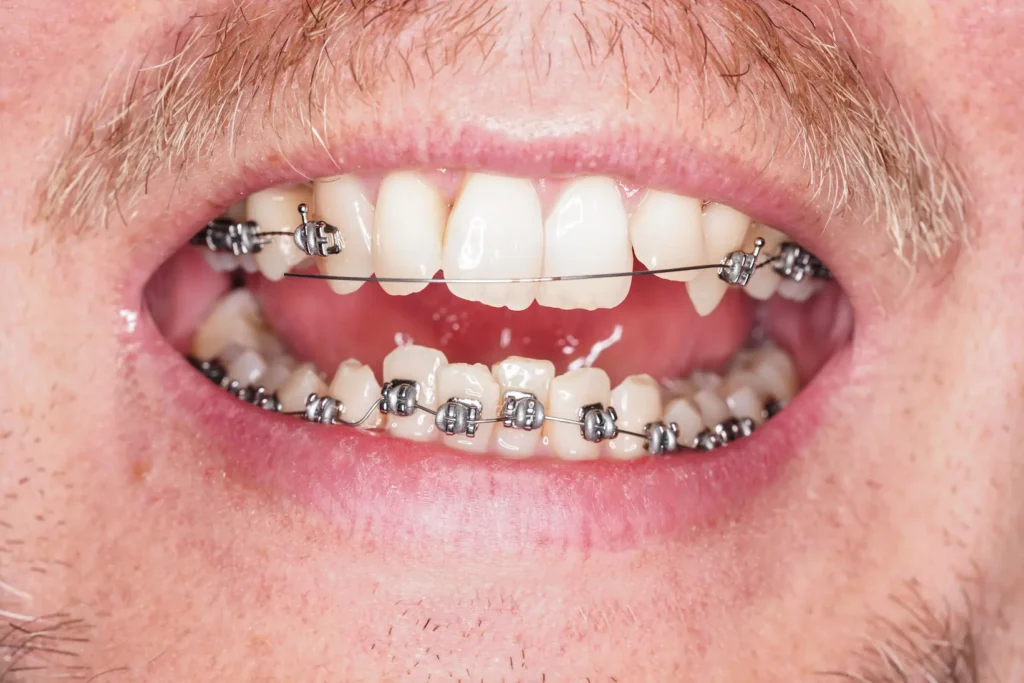
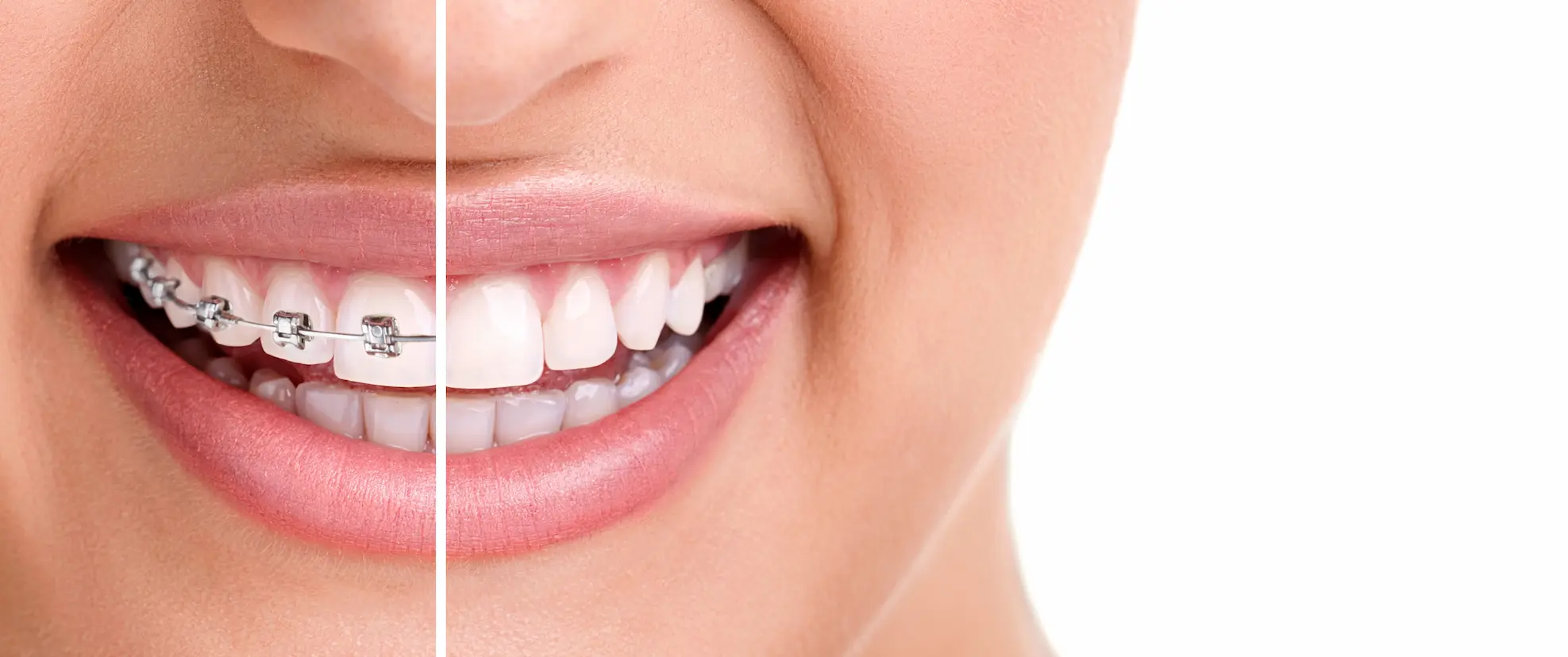

A healthy smile does more than brighten a face. It changes how people speak, laugh, interview, date, and show up in photographs. In a cosmetic dental office, those concerns are rarely shallow. Most patients are not asking for perfection. They are asking for relief from a feature they notice every morning in the mirror, a chip on a front tooth, deep staining that whitening toothpaste never touched, spacing that draws the eye, or old dental work that no longer matches.
Cosmetic Dentistry Bakersfield CA clinics typically see a wide range of cases, from small one-tooth touch-ups to full smile redesigns. What surprises many patients is how often these plans overlap with restorative care. A person may come in wanting whiter teeth, then learn that a cracked filling on a lateral incisor should be addressed first. Another might ask about veneers and discover that mild orthodontic movement would preserve more natural enamel and deliver a better long-term result.
The best cosmetic work is not flashy. It looks believable in daylight, photographs well, and fits the patient’s face, age, bite, and budget. That is where experience matters. A polished smile that ignores function can fail early. A beautiful result that requires constant repair often stops feeling like a win.
What cosmetic dentists are usually trying to solve
Most cosmetic consultations circle around the same handful of concerns. Tooth color is the obvious one, but shape, symmetry, alignment, texture, and gum display matter just as much. A front tooth that is slightly rotated may catch shadow differently than the one next to it. A worn edge can make someone look older, or at least more tired, even when the teeth are technically healthy. Small black triangles near the gums can age a smile faster than people expect.
Dentists also pay close attention to things patients do not always mention. Lip movement during speech, how much gum shows when smiling, whether the front teeth are too short from grinding, and how the lower teeth meet the uppers all influence what procedure makes sense. Two people can walk in asking for veneers and leave with very different recommendations.
In Bakersfield, as in many communities, demand often reflects both practical and aesthetic goals. People want improvements that hold up at work, at events, and in daily life. They are not always looking for a dramatic Hollywood transformation. More often, they want their teeth to look healthy, even, and naturally bright.
Professional teeth whitening
Whitening is usually the most requested cosmetic treatment because it is conservative, relatively affordable, and fast. For the right candidate, it can make a substantial difference with no drilling and very little downtime. That said, whitening is one of the procedures people tend to misunderstand.
Office whitening systems work by using peroxide-based gels, sometimes activated or accelerated by light depending on the system and the clinician’s preference. Take-home trays from a dental office are another common option, and in many cases they produce excellent results with more control and less sensitivity. Over-the-counter strips can help some people, but they are not as customizable, and they tend to be less effective on stubborn discoloration.
Not every stain responds the same way. Yellow tones often lift better than gray or brown banding. Tetracycline staining, fluorosis, and discoloration from trauma can be much more resistant. Existing crowns, veneers, and tooth-colored fillings will not whiten at the same rate as natural enamel, which is an important issue if those restorations sit in visible areas.
A common real-world scenario goes like this: a patient wants brighter front teeth, but one central incisor has an old composite filling that already looks opaque. Whitening may improve the surrounding enamel, but that filling can end up standing out more afterward. Skilled cosmetic planning means discussing that before treatment, not after.
Sensitivity is the trade-off most patients notice. Some breeze through whitening. Others get brief zingers or cold sensitivity for a day or two. Lower concentration gels, shorter wear times, fluoride or potassium nitrate products, and paced treatment can make the process more comfortable.
Porcelain veneers
Veneers are one of the most versatile tools in cosmetic dentistry, and also one of the most over-discussed. They are thin porcelain coverings bonded to the front surfaces of teeth to improve color, shape, proportion, and to a degree, alignment. When they are done well, they can transform a smile in a way that still looks natural. When they are overbuilt, too opaque, or too uniformly shaped, they can look artificial from across the room.
Clinics that provide Cosmetic Dentistry Bakersfield CA services often recommend veneers for patients with multiple front-tooth issues at once, such as worn edges, chips, intrinsic discoloration, small gaps, and uneven tooth shapes. Veneers shine when several concerns need to be corrected together and when the patient wants a long-lasting, highly aesthetic result.
Preparation varies. Some veneers require conservative enamel reduction, while others can be even more minimal depending on the starting position of the teeth and the desired outcome. That does not mean they are reversible in the casual sense people sometimes assume. Once enamel is altered, the tooth usually remains in the veneer pathway.
Material choice matters. High-quality porcelain reflects light more like natural enamel than many direct bonding materials, and it resists staining better over time. Still, veneers are not magic shields. They can chip under heavy biting forces, especially in patients who clench or grind. A night guard is often part of the plan, even if patients were not expecting one when they booked a cosmetic consultation.
Good veneer cases start with restraint. The most flattering smiles usually respect the patient’s face and age. A 25-year-old athlete, a 42-year-old attorney, and a 68-year-old retiree may all want brighter front teeth, but the ideal incisal edge position, surface texture, and level of translucency can differ significantly.
Dental bonding for chips, gaps, and shape correction
Composite bonding is often the quiet hero of cosmetic dentistry. It can fix a chipped corner, close a small gap, lengthen a worn edge, or improve the contour of a tooth in a single visit. Compared with veneers, bonding is typically less expensive and more conservative because it usually requires little to no removal of tooth structure.
This is the procedure many dentists reach for when the issue is localized and the patient wants immediate improvement. A small chip from biting a fork, a peg-shaped lateral incisor, or uneven front edges after years of wear are classic bonding cases. Skilled shade matching and sculpting can make the repair nearly invisible.
Bonding does have limitations. Composite resin is not as stain-resistant or as wear-resistant as porcelain. Coffee, tea, red wine, and smoking can dull or discolor it over time. It can also chip more easily in the wrong bite or in someone with a strong clenching habit. Polishing and occasional touch-ups are part of the reality.
Still, in the right hands, bonding offers tremendous value. It is especially useful for younger patients who are not ideal veneer candidates yet, or for adults who want aesthetic improvement without committing to more extensive treatment. Many excellent cosmetic plans rely on bonding as a stand-alone option, not just a temporary step.
Invisalign and other clear aligner treatment
A surprising number of cosmetic concerns are really alignment problems. Teeth that overlap, twist, flare, or drift can make a smile appear darker, more crowded, or more uneven than it actually is. Straightening the teeth often improves appearance and function at the same time.
Clear aligners have become a common offering in cosmetic-focused dental practices because they appeal to adults who want orthodontic treatment without traditional braces. They are especially helpful for mild to moderate crowding, spacing, and relapse after earlier orthodontics. Some patients wore braces as teenagers, skipped retainers for years, and now notice one lower incisor crossing forward or upper front teeth shifting apart. That pattern is extremely common.
What clear aligners do well is controlled movement over time with a removable system that fits into most professional and social routines. What they do not do well is replace every orthodontic solution. More complex bite corrections, severe rotations, significant vertical issues, or skeletal discrepancies may still call for specialist care or a different treatment approach.
From a cosmetic standpoint, aligners are often a way to avoid unnecessary drilling. If a patient has healthy teeth but dislikes minor crowding or spacing, moving the teeth may preserve more natural structure than covering the problem with restorations. In experienced practices, that judgment call is central. Just because veneers can mask alignment issues does not mean they should.
Tooth-colored fillings and cosmetic recontouring
Not every cosmetic procedure gets top billing on a website, but some of the most satisfying improvements come from simple refinements. Replacing old dark metal fillings in visible areas with tooth-colored materials can brighten a smile and make the teeth look cleaner and more uniform. Smoothing rough edges, reshaping slightly uneven enamel, or adjusting small irregularities in contour can produce a subtle but meaningful upgrade.
Cosmetic recontouring works best when the changes are modest. A slightly longer canine tip, a tiny rough edge on an incisor, or minor asymmetry after wear can often be corrected quickly. It is not a major smile makeover, but that is the point. For some people, small changes create exactly the amount of improvement they wanted.
This category also includes replacing aged bonding that has picked up stain or lost its polish. Patients are often surprised by how much fresher their smile looks when patchwork repairs are redone thoughtfully, with attention to color, texture, and edge shape.
Gum contouring and the role of soft tissue aesthetics
Teeth do not exist in isolation. The gum line frames the smile, and uneven gingival contours can make teeth appear short, slanted, or mismatched even when the enamel itself looks fine. In these cases, the issue may not be the teeth at all. It may be the soft tissue architecture.
Gum contouring can be appropriate for a gummy smile, an uneven gum line, or excess tissue that makes certain teeth look smaller than their neighbors. Depending on the case, treatment may involve simple reshaping, or it may require a more comprehensive periodontal evaluation if there are deeper biological factors involved.
The key is diagnosis. If short-looking teeth are actually worn down from grinding, gum sculpting alone will not solve the aesthetic problem. If there is inflammation from poor home care or untreated periodontal disease, cosmetic contouring is not the first move. Healthy tissue has to come before cosmetic refinement.
Patients who undergo thoughtful gum contouring often comment that their teeth suddenly look straighter or longer, even when the teeth themselves were never altered. That visual effect is one reason soft tissue planning is so important in high-quality cosmetic dentistry.
Crowns that blend with the smile
Crowns are Cosmetic Dentistry Bakersfield CA usually thought of as restorative treatment, and rightly so. They are used when teeth are structurally compromised by fractures, large fillings, root canal treatment, or substantial decay. Yet in the front of the mouth, crowns also become cosmetic work whether the patient intended it or not.
An anterior crown that is too bright, too flat, too opaque, or poorly shaped can disrupt an otherwise attractive smile. A well-made one disappears into the lineup. Bakersfield clinics that handle both restorative and cosmetic cases often spend considerable time on shade selection, provisional design, and communication with the dental lab for this reason.
Sometimes a patient comes in asking to improve the appearance of a front tooth that has already had years of dental work. In those situations, a crown may be the most predictable path, especially if the tooth has significant structural compromise. Cosmetic success then depends on managing expectations. A crown can look excellent, but matching one central incisor perfectly to a natural neighbor is among the most exacting tasks in dentistry.
Dental implants in the cosmetic conversation
Replacing a missing tooth is not purely cosmetic, but appearance is often what drives the appointment. An implant-supported crown can restore both function and esthetics, especially in visible areas. The challenge is that implant dentistry in the smile zone involves much more than placing a titanium fixture and attaching a tooth-shaped crown.
The surrounding gum contour, bone volume, spacing, and position all affect the final look. If an implant is placed slightly off-angle or if the tissue support is poor, the cosmetic result may fall short even if the implant itself is stable. That is why the best implant cases are planned backward from the final smile, not forward from the surgical convenience.
Patients considering front-tooth implants should ask detailed questions about timing, provisional solutions during healing, and whether tissue grafting might be needed. These are not scare points. They are practical realities that shape the final outcome.
Smile makeovers are usually combinations, not single procedures
Many of the most successful cosmetic cases are hybrids. Whitening may come first, then replacement of visible fillings to match the brighter shade. Aligners may create better spacing before bonding or veneers. Gum contouring may be performed so the final restorations look proportionate. This sequencing matters.
A good cosmetic dentist will often map the process in phases rather than trying to do everything at once. That protects the biology and helps the patient manage costs and expectations. It also allows decisions to evolve. After whitening and minor alignment, a patient may realize they no longer want veneers at all. That is often a good outcome.
Here are a few treatment combinations that commonly make sense in practice:
- Whitening followed by bonding or filling replacement when old dental work no longer matches the new tooth shade.
- Clear aligners before veneers or bonding, especially when crowding or spacing can be corrected conservatively.
- Gum contouring before final restorations if the gum line is uneven or teeth appear too short.
- Crowns or veneers paired with a night guard for patients with grinding habits that could damage the new work.
- Implant planning coordinated with cosmetic design when a missing front tooth affects both smile appearance and tissue symmetry.
How clinics decide what fits your case
Patients often assume cosmetic recommendations are based mostly on budget or preference. Those factors matter, but the clinical starting point Cosmetic Dentistry Bakersfield CA is broader. The condition of the enamel, the thickness of the tooth structure, the bite, gum health, habits like grinding, and the patient’s tolerance for maintenance all influence the choice.
A patient who wants the whitest possible smile but has thin enamel and generalized sensitivity may do better with a slower whitening protocol and selective bonding, rather than aggressive bleaching. Someone asking for instant straight teeth may be guided toward aligners first if the teeth are healthy and misaligned only mildly. Another patient may want bonding because it is affordable, but if the tooth being repaired carries heavy bite forces and already chips frequently, porcelain may be the more durable investment.
This is where cosmetic dentistry becomes more artful than people expect. It is not only about what can be done. It is about what should be done, in what order, and with what long-term trade-offs.
What patients should ask at the consultation
A cosmetic consultation goes better when patients bring specific concerns rather than a vague request to “fix everything.” Point to the tooth that bothers you. Mention whether the issue is color, shape, spacing, or an old repair you notice in photos. That gives the dentist a clearer target.
These questions tend to produce useful answers:
- Which options preserve the most natural tooth structure?
- How long is this result likely to last, and what maintenance should I expect?
- Will whitening affect my existing crowns, veneers, or fillings?
- Is my bite or grinding habit likely to shorten the life of the cosmetic work?
- Can we phase treatment so I address the most visible concerns first?
Those conversations often reveal that the best plan is not the most expensive one. It is the one that fits the patient’s priorities while respecting the biology of the teeth.
The local reality: finding the right cosmetic fit
Cosmetic Dentistry Bakersfield CA practices vary in style, philosophy, and case selection. Some focus heavily on veneer and makeover cases. Others blend cosmetic work into family or restorative care. Neither model is inherently better. What matters is whether the dentist can explain why a procedure is appropriate for your situation and what the alternatives are.
Patients should pay close attention to before-and-after photos that look natural, not just dramatic. Uniformly bright square teeth can photograph well in marketing images, but they are not automatically the right choice for every face. It is also worth noting how the office talks about maintenance. Any clinic that presents cosmetic treatment as a one-time fix with no future upkeep is oversimplifying.
The strongest cosmetic dentists tend to be honest about limits. They will tell you when bonding is likely to stain, when whitening may be uneven, when orthodontic movement is smarter than porcelain, and when a night guard is essential if you want your investment to last. That honesty usually predicts better outcomes than a polished sales pitch.
A smile can be improved in many ways, but durable cosmetic dentistry depends on thoughtful planning. Teeth must look right, function comfortably, and hold up under ordinary life. When a clinic balances those three goals, the work tends to age well, and patients stop thinking about what they dislike and start smiling without calculating the angle first.
Toothworks of Bakersfield, Dentist and Orthodontist
Address: 1030 H St #1, Bakersfield, CA 93304
Phone number: +16613239421
FAQ About Cosmetic Dentistry Bakersfield CA
What is considered cosmetic dentistry?
Cosmetic dentistry includes any dental treatment focused primarily on improving the appearance of your teeth, gums, or bite rather than treating a disease or restoring basic function.
How much does cosmetic dentistry usually cost?
The cost of cosmetic dentistry typically ranges from a few hundred dollars for minor touch-ups to over $20,000 for a comprehensive smile makeover, depending entirely on the specific procedure, materials used, and how many teeth are treated. Because most cosmetic treatments are elective, they are usually paid out of pocket without insurance coverage.
Is there a difference between a regular dentist and a cosmetic dentist?
Yes, a regular dentist focuses on your overall oral health and preventing disease, while a cosmetic dentist focuses on improving the look of your smile.